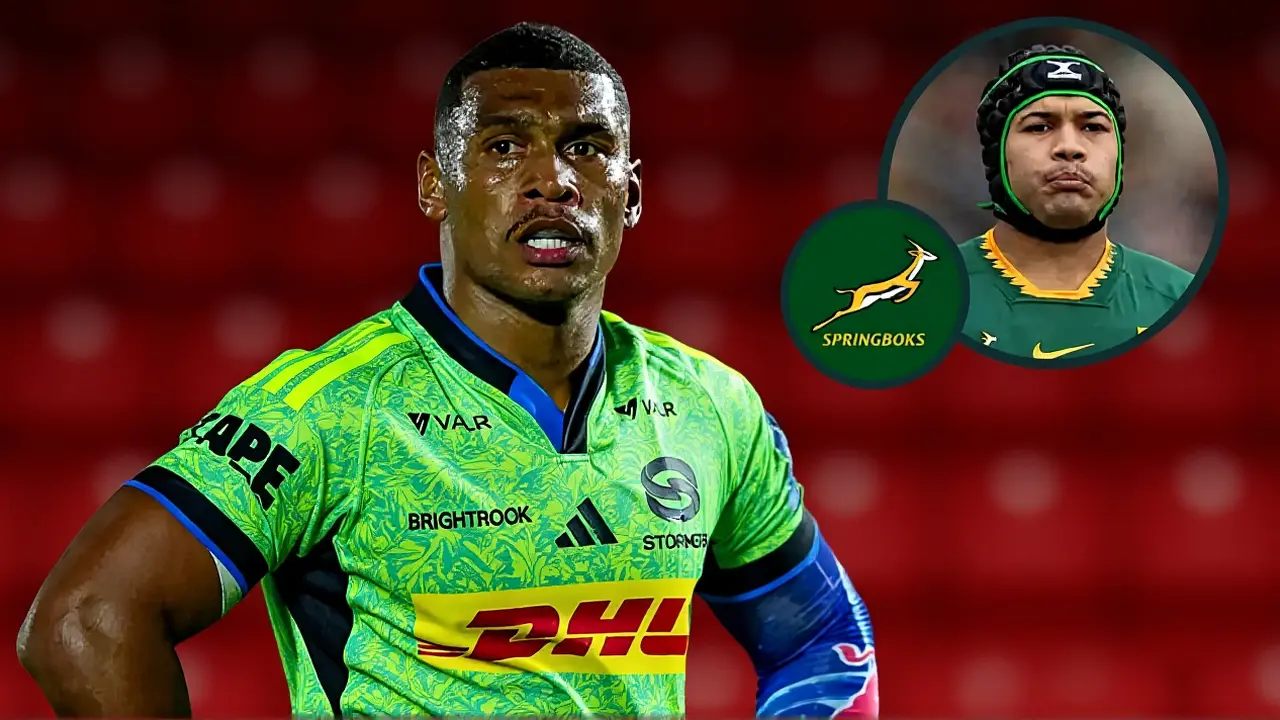
Just as the Springboks were gearing up for a grueling five-Test tour of Europe, a familiar worry has resurfaced. Sacha Feinberg-Mngomezulu, backline player for the national team and DHL Stormers, is now listed as doubtful for the November campaign due to a recurring knee injury.
The news broke via Jacaranda FM, which reported that the versatile back has suffered damage to the same knee twice within a single year. It’s not just about missing a few games; medical experts are warning that rushing his return could lead to long-term arthritis. That’s a heavy price to pay for short-term availability.
Here’s the thing: Feinberg-Mngomezulu was already named in the initial squad. But with the clock ticking down on the tour, the decision rests on whether he can handle the physical toll without compromising his career longevity. The stakes? High. The timeline? Tight.
A Knee Injury Complicates Tour Plans
The situation isn’t new. According to reports, Feinberg-Mngomezulu injured the same knee earlier this year. Now, it’s flared up again. The concern isn’t just immediate pain—it’s structural integrity. Repeated trauma to the joint increases the risk of degenerative changes, specifically arthritis, which can sideline players for years or end careers prematurely.
"A major concern is that he has injured the same knee twice within a year and, if rushed back, could develop arthritis," one source told Jacaranda FM. "The Stormers are wisely..." The sentence trails off, but the message is clear: caution is paramount. His club side, the DHL Stormers, based in Cape Town, appears to be prioritizing his health over immediate selection.
This isn’t an isolated incident. Rugby’s physical nature means injuries are common, but recurrent issues in the same joint raise red flags. For a player known for his agility and speed, any stiffness or weakness in the knee could drastically alter his performance. And in international rugby, where margins are razor-thin, even a slight dip in form can be costly.
Rassie Erasmus Faces Selection Dilemma
Head coach Rassie Erasmus, Springbok head coach, had initially included Feinberg-Mngomezulu in his 36-man squad for the European tour. The plan was ambitious: five Tests against top-tier nations—Japan, France, Italy, Ireland, and Wales—all in consecutive weekends throughout November.
Erasmus needs depth. With several key forwards like Cameron Hanekom and Elrigh Louw ruled out due to other injuries, losing another potential starter in the backline forces a rethink. Who steps in? How does the tactical setup change? These are questions Erasmus must answer before departure.
Siya Kolisi, the Springbok captain, leads the squad, but the burden of selection falls squarely on Erasmus. He’ll need to balance experience with fitness, ensuring that every player brought along can contribute meaningfully under pressure.
Impact on Backline Depth and Cheslin Kolbe
If Feinberg-Mngomezulu misses the tour, it doesn’t just create a vacancy—it reshapes the entire backline dynamic. Players like Cheslin Kolbe, wing/fullback, who shares the backline roster, may see increased responsibility. Kolbe, renowned for his explosive pace and finishing ability, often operates in similar channels. A thinner bench means less rotation, more fatigue, and higher injury risk for those remaining.
Other backs such as Kurt-Lee Arendse, Damian de Allende, and Manie Libbok will also be scrutinized. Each brings unique skills, but none perfectly replicate Feinberg-Mngomezulu’s versatility. His ability to play across multiple positions makes him invaluable in tight scheduling scenarios.
The ripple effect extends beyond personnel. Tactical flexibility suffers when options shrink. Opponents study patterns; fewer variations mean easier preparation for rivals like Ireland and France, both formidable defensive units.
Medical Caution vs. Competitive Pressure
The dilemma highlights a broader tension in professional sports: protecting athlete welfare versus meeting competitive demands. On one hand, pushing through pain might yield short-term gains. On the other, ignoring warning signs risks permanent damage. In Feinberg-Mngomezulu’s case, the latter seems far more likely.
Team doctors and physiotherapists play crucial roles here. Their assessments determine readiness, not just current status but projected resilience over weeks of intense play. If they advise rest, coaches usually comply—not out of fear, but respect for science.
Historically, premature returns have backfired spectacularly. Think of high-profile cases where stars returned too soon only to suffer worse setbacks later. No one wants to repeat those mistakes.
What’s Next for the Springboks?
As November approaches, all eyes turn to Feinberg-Mngomezulu’s recovery progress. Weekly updates from medical staff will guide final selections. Meanwhile, Erasmus prepares contingency plans, drilling backups into position-specific roles.
The tour itself remains unchanged: five Tests, five opponents, no room for error. Every match counts toward World Cup rankings and legacy building. Whether Feinberg-Mngomezulu joins them or watches from afar, the mission stays the same—winning.
Frequently Asked Questions
Why is Sacha Feinberg-Mngomezulu’s knee injury so concerning?
He has injured the same knee twice within a year, raising fears of developing arthritis if he returns too quickly. Arthritis is a degenerative condition that can severely limit mobility and end careers prematurely, making conservative management essential despite short-term team needs.
Who replaces Feinberg-Mngomezulu if he misses the tour?
No direct replacement has been named yet, but players like Cheslin Kolbe, Kurt-Lee Arendse, and Manie Libbok provide cover. Coach Rassie Erasmus will assess fitness levels and tactical fit during training camps leading up to the first Test in November.
How many Tests are scheduled for the European tour?
Five Tests are planned against Japan, France, Italy, Ireland, and Wales, played on consecutive weekends throughout November. This dense schedule requires deep squads and careful load management to avoid burnout and further injuries among touring players.
Is there any chance Feinberg-Mngomezulu recovers in time?
Possibly, but it depends on his response to rehabilitation. Medical teams monitor inflammation, strength, and range of motion closely. If progress stalls, they’ll prioritize long-term health over temporary availability, potentially ruling him out entirely for the tour.
What impact does this have on the DHL Stormers?
While focused on national duty, the Stormers benefit from retaining a healthy asset for future domestic competitions. By managing his workload carefully, they protect their investment in a key backline performer who contributes significantly to both provincial and international success.


Ankita Bajaj
May 26, 2026 at 23:46
It is honestly so frustrating to see this happen right before the big tour, but I really hope everyone stays calm and supportive of Sacha's health journey. We need to remember that a career lasts much longer than one November campaign, and rushing him back could destroy his future in the sport entirely. The medical team knows best, and we should trust their expertise over our immediate desire to see him on the field. Let's focus on the positives and how the rest of the squad can step up during this challenging time.