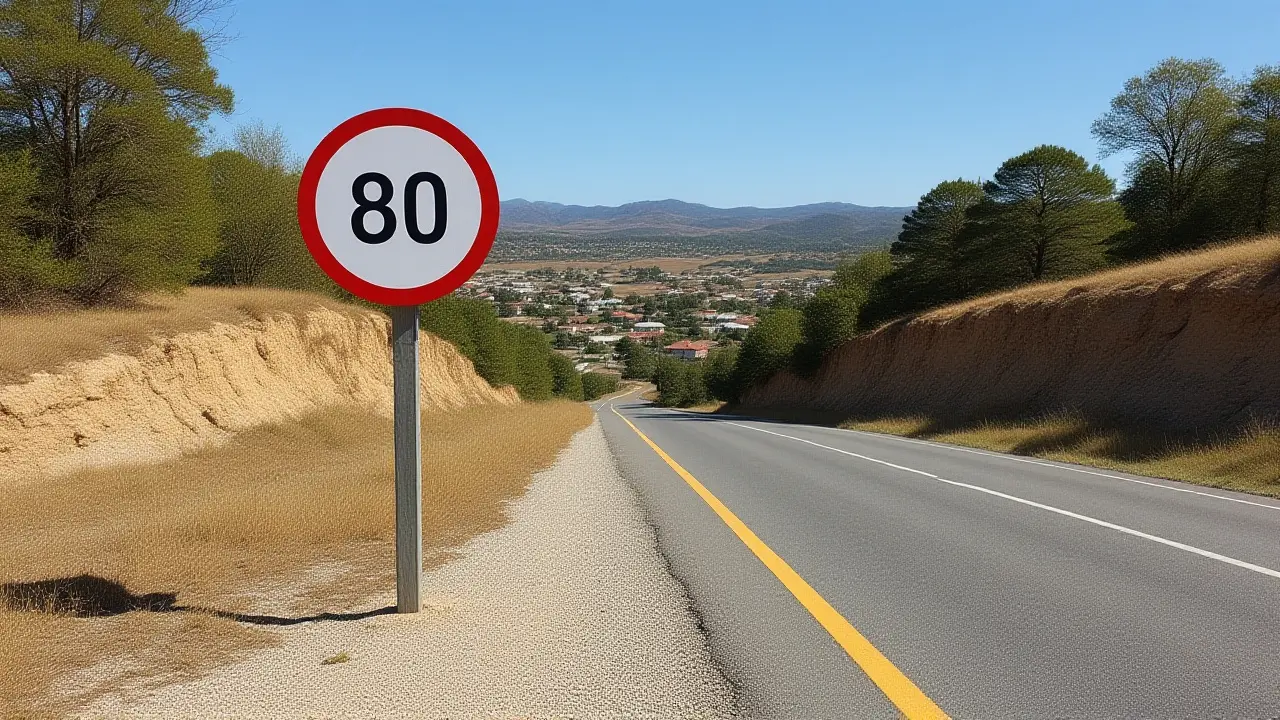
The roads are changing. As of January 2026, the way South Africans get fined for breaking traffic laws has shifted dramatically. The Administrative Adjudication of Road Traffic Offences Act, commonly known as AARTO, is officially moving from a pilot program to a national framework. For drivers, this means the days of facing criminal charges for simple speeding tickets are largely over. Instead, an administrative system now handles most violations, focusing on demerit points that can actually suspend your licence.
Until recently, this process was limited to specific cities. Now, the rulebook is being applied across the board. But here is the twist nobody expected: even as the new system launches, the City of Johannesburg temporarily lost access to its entire network of speed cameras. This irony highlights the turbulence of rolling out complex technology while trying to improve road safety.
From Courtrooms to Administrative Fines
The biggest difference between the old system and AARTO is where the legal battle takes place. Previously, serious speeding could land you in criminal court. Under the current framework, ordinary speeding isn't classified as a Schedule One offense. Unless the driving amounts to recklessness or negligence, you won't be arrested for simply running the clock fast.
This shift unburdens the court system. Judges aren't clogging dockets over a R400 fine anymore. Instead, enforcement officers issue an infringement notice, which acts like a ticket for an administrative penalty. If you ignore it, it escalates to an Enforcement Order. Only after that formal order does your licence face suspension.
According to court confirmations released earlier this year, motorists may not be arrested without a warrant for ordinary speeding. It’s a massive protection for drivers, ensuring due process remains intact. However, the financial sting is standardized. You can’t shop around for cheaper provinces anymore. A fine is the same whether you're caught in Pretoria or Port Elizabeth.
The New Pricing Model for Speeding
Money talks, and the new rate card leaves no room for confusion. The logic is simple: the faster you go over the limit, the more you pay. But there's a cap. Before authorities move toward arrest proceedings, the maximum fine sits at R3,200. Once you hit specific speeds, though, you enter arrest territory.
The penalties start low but climb quickly. For urban roads, typically operating in 60km/h zones, the scale looks something like this:
- Going 11-12km/h over costs R400 with one demerit point.
- Pushing 13-14km/h over bumps it to R600.
- Crossing the 20km/h threshold jumps the fine to R1,400.
- Hitting 29-30km/h over results in R3,200 and five demerit points.
- Go beyond 30km/h over the limit, and you risk arrest and six points.
Rural roads are handled differently because the base limits are higher. On the N3, where the limit is 100km/h, the math shifts slightly. You get a bit more wiggle room in kilometers, but the point accumulation remains strict. Freeways operating at 120km/h zones mirror this rural structure exactly. It creates a consistent expectation regardless of where you drive.
Understanding the Demerit Point Threat
This is the part drivers really need to watch. Every driver starts fresh at zero points. Think of it like a bank account balance for bad behavior. Licensed drivers have a budget of 15 points. Learner drivers? You're capped at six points. It's tight.
If you accumulate points, your licence is flagged. But there is hope. For every three months you spend on the road without an infringement, one point drops off automatically. It rewards clean driving. Yet, once you hit that maximum threshold, the suspension kicks in. There is no appeal once the suspension trigger fires unless you challenge the underlying Enforcement Order.
Implementation Hiccups in Gauteng
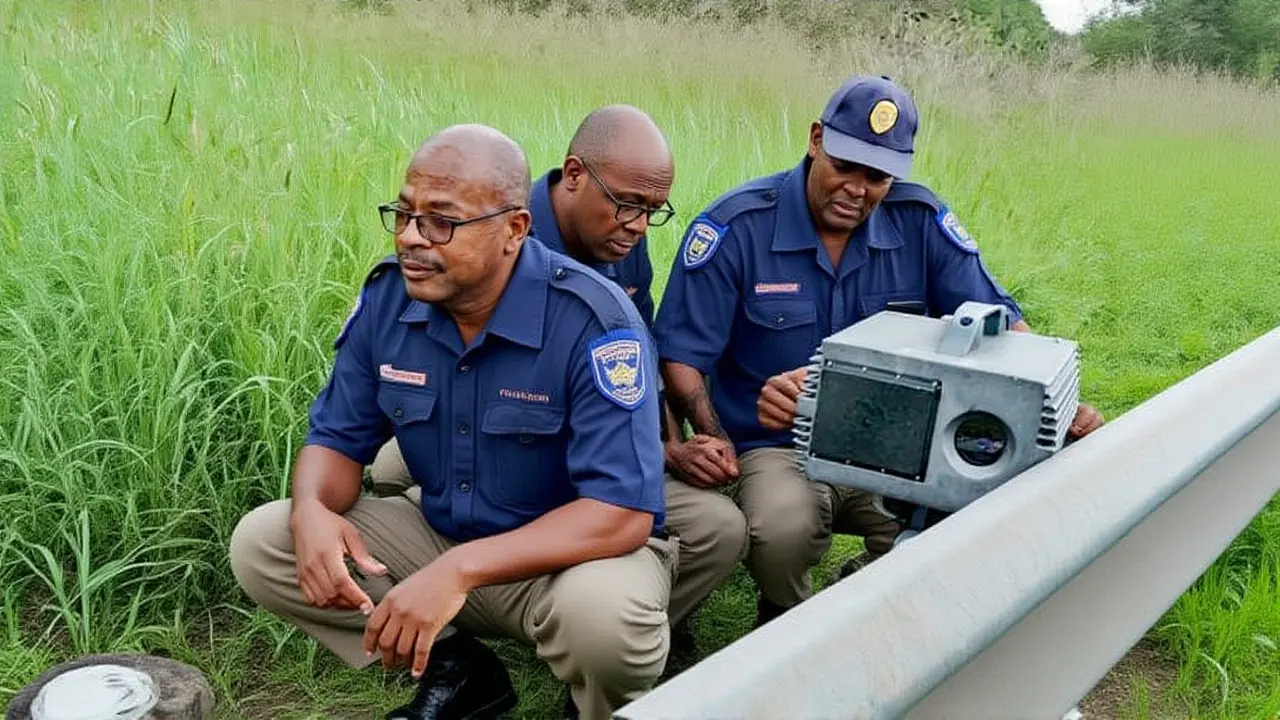
While the law sets out a smooth path, reality hasn't been perfect. Currently, Johannesburg and Tshwane are the primary hubs using this active system. In January 2026, technical issues caused the City of Johannesburg to lose access to all its speed cameras.
This created a vacuum. Motorists found themselves able to speed without immediate detection in areas previously monitored. The metro reported losing a significant revenue stream meant for road safety projects. It highlights the fragility of relying heavily on automated enforcement systems. Until connectivity is restored, enforcement reverts to manual checks or other jurisdictions' protocols.
Looking Ahead to Full National Rollout
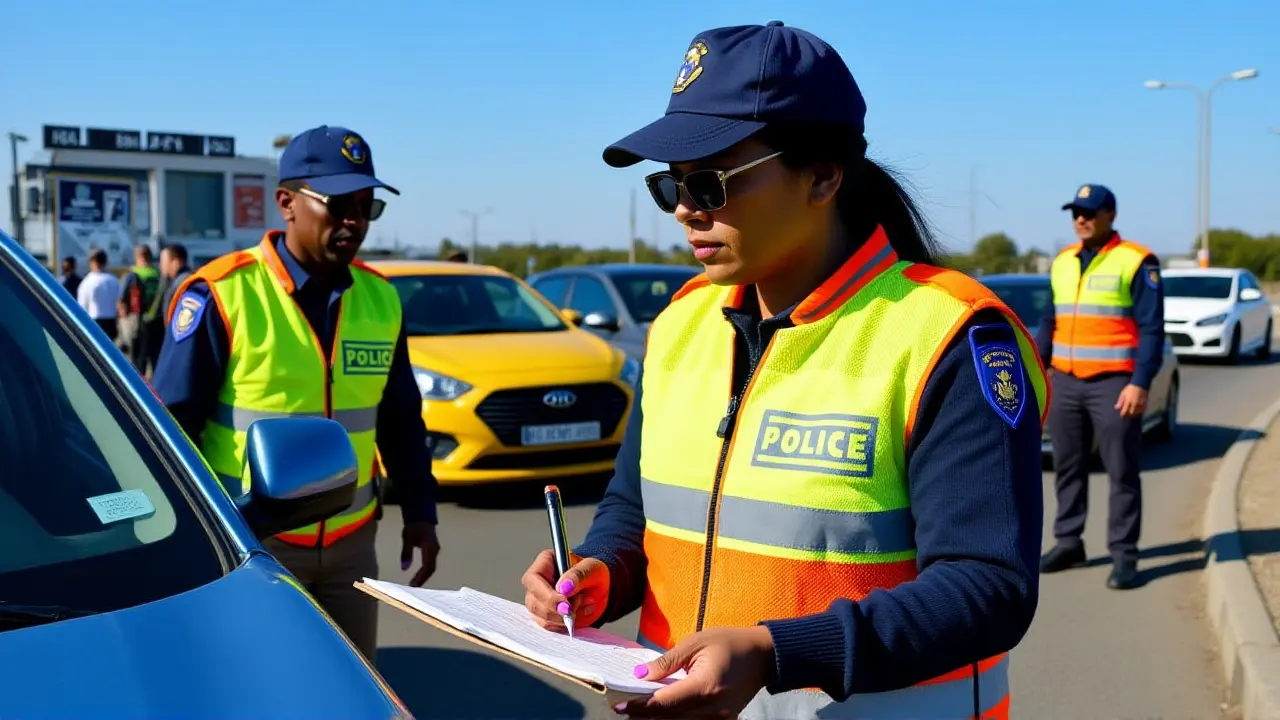
Don't assume you're safe just because your province isn't live yet. The latest implementation plan targets 69 additional municipalities starting in July 2026. After that, the rest of South Africa is scheduled for compliance. Outside these pilot zones, municipalities still set their own fines under the old Criminal Procedure Act, but that window is closing.
The infrastructure includes artificial intelligence cameras designed to spot multiple violations at once. Seatbelt usage and mobile phone checks are now bundled into the same monitoring systems. The goal is behavioral change, not just revenue generation. Whether drivers adapt or resist remains to be seen, but the administrative hammer is definitely swinging.
Frequently Asked Questions
Does AARTO apply everywhere in South Africa right now?
No. As of early 2026, it is fully implemented in Johannesburg and Tshwane. Expansion plans cover 69 more municipalities by July 2026, but outside these zones, old municipal fine rules still apply until local systems migrate.
Can I go to jail for speeding under the new law?
Generally, no. Ordinary speeding is an administrative offence. You only face arrest and potential jail time if you exceed the limit by 30km/h or more, or if your conduct qualifies as reckless driving.
How do demerit points get removed from my licence?
Points are reduced automatically over time. For every continuous three-month period without a new traffic violation, one demerit point is deducted. Accumulating too many points leads to automatic suspension.
What happens to my fine if I don't pay it immediately?
Unpaid fines escalate. If you ignore the initial notice, the system issues an Enforcement Order. Once that is issued, you can legally be blocked from renewing your licence until the debt is settled.







Sarah Day
March 28, 2026 at 01:55
Honestly glad this is finally happening for safety reasons. Too many accidents happen because people just ignore basic rules. I hope the schools teach kids about the new point system soon so they know what to expect. We all want our roads to be safer places for families to travel on. It feels like the right direction even if the rollout has some bumps.